Not a member yet? Sign Up!
Info
Please use real email address to activate your registration




An email from Susanna Gandola, a tour guide in Bellagio reached my inbox: “If you want to go to Lenno to see the Osvaldo Vanini olive oil factory, we can make it, the owner’s daughter is a good friend of mine and I can arrange for a visit for tomorrow.”
Although it’s only September and harvesting olives generally begins in November, I jumped at the opportunity as olive oil produced by the Vanini family is served in most restaurants around Lake Como in Northern Italy and fine dining establishments all over the world. Jamie Oliver, the richest chef in the world is said to have drizzled Vanini olive oil in Jamie’s Italian cuisines.

A long family history
The Vanini family history in Lenno, is a long story of olive oil production that dates back to 1850 when Simone Vanini began his business. Today Luciano and Piero Vanini and their families run it.
It took us 30 minutes from Bellagio to Lenno by a slow boat and it was a five-minute drive from the pier to the factory in Via Silvio Pellico No. 10.

Young Osvaldo Vanini, Piero’s son, greeted us at the door and showed us around. A while later his uncle Luciano Vanini joined the conversation.

The Vaninis produced extra virgin olive oil in bottles of 0.25, 0.5 and 0.75 liters and in cans of 3 and 5 liters. Their extra virgin olive oil is special due to its clear smell of olive, slightly fruity taste with a pinch of artichoke, sweet almond and a nuance of hot spice.

The taste, color and aroma of olives and the oil produced depend on the soil, fruit
 maturity, extraction process
 and climate. The common terms to describe the olive oil taste, according to Life in Italy, are: fruity, fresh, buttery, astringent, peppery, sweet or green.

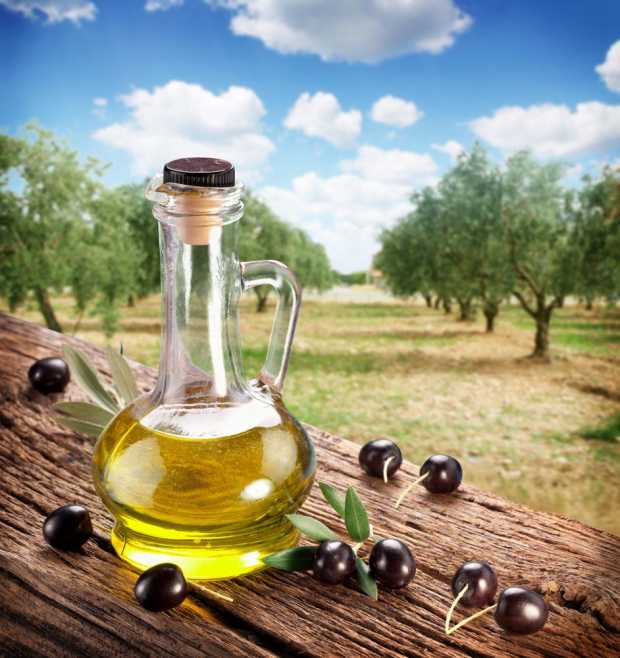
Olive fruits change color from green to yellow then to a dark purple and finally black, a sign that that most of the oil has formed and is ready to be picked and processed.
Traditional processing
A guide to Italy’s olive oils by La Cucina Italiana identified a number of olive varieties. In the north, the taggiasca olive produces light, fine oils with a delicate almond flavor, while stronger, fruitier oils are pressed from cassaliva, leccino and moraiolo olives. In central Italy the frantoio and moraiolo olives produce spicy and herbaceous oils. And in the south, where the majority of olives are grown, the gentile di Chieti, the cima di bitonto, the ottobractica and the nocellara produce golden yellow oils with strong flavors and a nutty aftertaste.

Vanini keeps the traditional process (stone press and cold pressure) but modernize its facilities with state of the art machines made by Pieralisi the leading manufacturer of olive oil machineries in the world.


Basically the process starts by separating the olives from their leaves and twigs and washed to remove dirt. The next step is crushing the olives into paste with the stone press. This, according to Vanini, gives a particular taste to the oil. The paste that comes from the pressing is then mixed and blended and goes to the centrifuge where the oil will come out yellow-green in color, which is then filtered and bottled.
Extra virgin olive oil
There are different categories of olive oil but lakecomopages, a voluntary website explained three basic types of olive oil: extra virgin, virgin and pure olive oil.
The best one is extra virgin olive oil, as produced by Vanini, where olives are picked and pressed the same day, resulting in oil with less than 1% acidity. The color is green and the oil tastes and smell like olives.
Oil that has less than 2% acidity is virgin olive oil where the olives are processed the day after they are harvested.
Blending virgin olive oil and refined oil creates pure olive oil, considered the lowest grade of olive oil. Pure olive oil has light color with little or no smell.

Villa Serbelloni
Vanini olive factory buys and presses all the olives harvested around Lake Como.
Some of the olive oil however, is returned to producers who may sell the oil for profit or keep it for their own use like olives from the Bellagio Center of the Rockefeller Foundation.

The Center grows olive oil in its gardens, sends the ripe fruits to Vanini who then bottled the product named Villa Serbelloni. This special olive oil is solely for consumption at the Center and as gifts to scholars selected to do their residencies there.

The Vanini olive oil factory has been a model of passion and professionalism for 6 generations. “It’s a family business. We concentrate on quality, not quantity,” young Osvaldo said in Italian while waiting for me to write down the Omar Niode Foundation blog address that he asked for.

--------------------------
Images: Valentyn Volkov, Yulia Davidovich/ Shutterstock, Vanini Osvaldo, Omar Niode Foundation
Text: Amanda Niode




 Omar Niode Foundation Blog is licensed under a Creative Commons Attribution-NonCommercial-ShareAlike 3.0 Unported License.
 Close
Close